Every Child Should Know Free Ebooks

The Every Child Should Know series is a collection of educational books that emerged in the early 1900s. The series covers various topics, including nature, poetry, folklore, art, history, and more. Authored by various individuals, including Neltje Blanchan, Julia Rogers, and Hamilton Mabie, the series aimed to provide young readers with a broad understanding of the world around them. The collective effort of these authors and others resulted in a valuable literary and educational resource that children have enjoyed for generations.
The Every Child Should Know series is perfect for families who enjoy using living books in their homeschool. The series offers a diverse array of subjects that cater to children’s varied interests and ages. Parents could read the books aloud to younger children, or older children could read them independently.
This page contains affiliate links. See our complete disclosure for more information.
Where to Find the Every Child Should Know Books
Fortunately, all the volumes in the Every Child Should Know series are now in the public domain, making them free to read online. Because the books are free, they are accessible to any parent interested in incorporating the timeless pieces into their homeschool curriculum. Below, I’ve listed where to find each free ebook. There are also additional free resources to accompany several of the books.
Free Science and Nature Books
Birds Every Child Should Know by Neltje Blanchan– Explore a collection of story-like descriptions of over a hundred birds found in the United States. For a free printable bird watching journal to use with the book, see Learn About Birds With Free Resources. The post also includes several other free resources for learning about birds, including other books by Neltje Blanchan.
Earth and Sky Every Child Should Know by Julia E. Rogers– This book is a collection of earth science and astronomy studies.
Natural Wonders Every Child Should Know by Edwin Brewster– This science book aims to answer children’s questions about what they have in common with other living things and how they differ from them.
Trees Every Child Should Know by Julia E. Rogers– Learn about trees year-round with this collection of tree studies organized by seasons. There is also an audiobook version on LibriVox.
Useful Plants Every Child Should Know by Julia E. Rogers– This volume covers the plants we use for food, beverages, clothing, and other purposes. Gardening is one hands-on way to put the knowledge your kids learn from this book into practice. If your family is interested in gardening, see Teaching Gardening as a Homeschool Elective for a free printable gardening planner and several other free resources.
Water Wonders Every Child Should Know by Jean Thompson– Learn about dew, frost, snow, ice, and rain. You can also listen to the book on LibriVox. 
Wild Animals Every Child Should Know by Julia E. Rogers– Read informative stories about the wild cousins of domestic animals.
Wild Flowers Every Child Should Know by Frederic Stack– This book of flower descriptions is arranged by color and includes common species of the United States and Canada.
This free printable Outdoor Explorer Nature Journal would be an excellent addition to any of the nature or wildlife books above. It includes observation pages for students to record the trees, flowers, animals, and insects they encounter. There are also pages for tracking the weather, lunar phases, and constellations. For more resources, check out our selection of Free Science and Nature Curriculum.
Free Literature, History, and Culture Books
Adventures Every Child Should Know edited by Mary Burt– This illustrated children’s story is a retelling of The Marvelous Adventures of Pinocchio by Agustus Caprani. 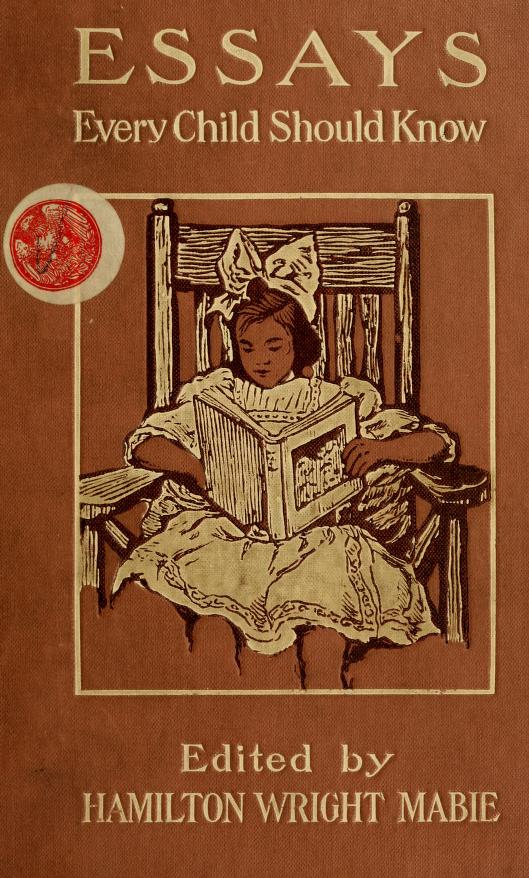
Essays Every Child Should Know edited by Hamilton Mabie– This collection of essays includes the work of many well-known English and American authors.
Fairy Stories Every Child Should Know co-edited by Kate Wiggin and Nora Smith– This book includes Scandinavian, English, Spanish, Gaelic, and German stories.
Fairy Tales Every Child Should Know edited by Hamilton Mabie- Enjoy a timeless collection of children’s fairy tales. If your family prefers audiobooks, you can listen to the fairy tales on LibriVox. For more information about using this book in your homeschool, including which fairy tales you may want to edit or skip, check out this post at My Little Robins.
Famous Stories Every Child Should Know edited by Hamilton Mabie- The stories in this volume were chosen for their quality, wholesomeness, and interest. There is also an audiobook of the stories on LibriVox.
Folk Tales Every Child Should Know edited by Hamilton Mabie– Read a collection of folk tales that have been passed down for generations. Your family can also listen to the folk takes on LibriVox. 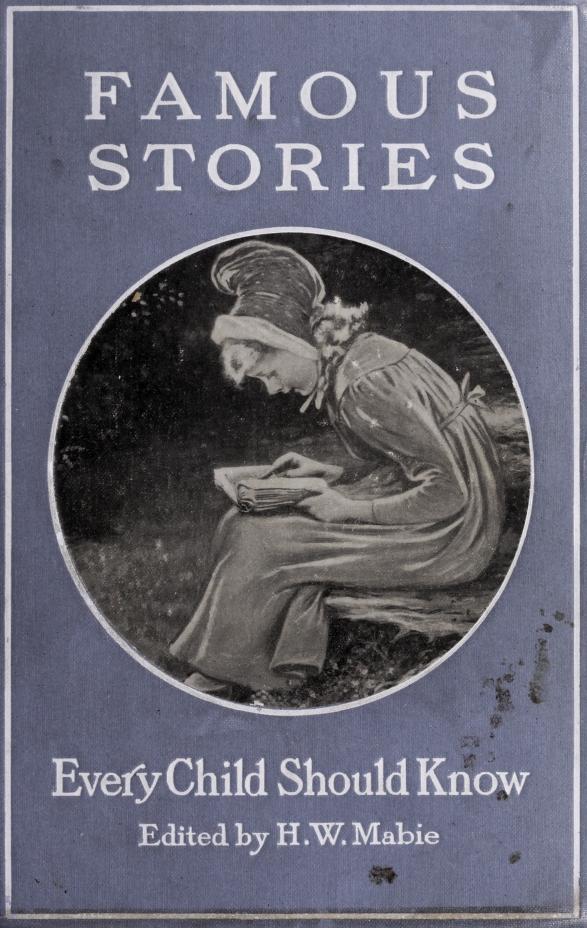
Good Cheer Stories Every Child Should Know edited by Asa Dickinson– Celebrate Thanksgiving with these tales of generosity, gratitude, and holiday cheer. Your children can also listen to the book on LibriVox. After reading or listening to the book, your family may want to complete one of these Free Thanksgiving Unit Studies.
Heroes Every Child Should Know edited by Hamilton Mabie– Read inspiring stories of heroes from various times and places. The book includes heroes from history, myths, and legends. Your family can also listen to the stories on LibriVox.
Heroines Every Child Should Know co-edited by Hamilton Mabie and Kate Stephens– Explore a collection of stories about courageous women from history and mythology. There is also an audiobook version on LibriVox.
Legends Every Child Should Know edited by Hamilton Mabie– Enjoy a selection of great legends throughout history.
Myths Every Child Should Know edited by Hamilton Mabie– This book is a compilation of myths drawn from Wonder Book, In the Days of Giants, Greek Heroes, and Norse Stories. The book is also available as an audiobook on LibriVox.
Poems Every Child Should Know edited by Mary Burt– The poems in this collection were chosen because children will likely enjoy them, and most are short enough to commit to memory. You can also listen to the poems on LibriVox. Additionally, DIY Homeschooler provides more information about the book and tips for using it in your homeschool. For more poetry resources to use in your homeschool, see Free Poetry Curriculum.
Prose Every Child Should Know edited by Mary Burt– Explore a collection of prose gathered from classic literature, history, and the Bible.
Tales of Wonder Every Child Should Know co-edited by Kate Wiggin and Nora Smith– This collection of stories from all over the world is meant to inspire wonder, imagination, and curiosity.
If your family enjoys the classic books above, also check out our selection of Free Vintage Graded Readers. These school readers, published in the late 1800s and early 1900s, are also now in the public domain. You’ll find well-known classics like McGuffey, Elson, and Treadwell, as well as many other lesser-known series. Additionally, you may find helpful resources on our Free Language Arts Curriculum and Free History Curriculum pages.
Free Music and Art Books
Hymns Every Child Should Know edited by Dolores Bacon– Enjoy a selection of timeless hymns.
Operas Every Child Should Know edited by Dolores Bacon– This book describes the text and music of some of the most famous operas.
Songs Every Child Should Know edited by Dolores Bacon– This collection of songs from around the world is organized by theme.
Pictures Every Child Should Know by Dolores Bacon– View and learn about numerous well-known masterpieces.
If you would like your children to study these subjects in more depth, visit our Free Music Curriculum and Free Art Curriculum pages.

Using the Every Child Should Know Books
This book series can be an excellent addition to your homeschool curriculum. Here are some tips for using the series:
- First, choose which books to use. You could select books based on topics that interest your kids or what they are currently learning.
- Then, decide how to pace the chapters. For example, with the literature books, you could read a chapter each day. With the nature books, you could choose a bird, tree, or flower to learn about each week.
- Next, read the books. The books work well as family read-alouds, or older kids can read them independently.
- While reading the books, look for ways to learn more about the topics in the book. For example, you could take a field trip, go on nature walks, or watch documentaries related to the material in the books.
- Finally, apply what your kids have learned. For example, they could plant a garden after reading about plants or write poetry after reading the poem book. They could even learn to play a song from one of the music books on an instrument.
This book series not only preserves the wisdom of the past but continues to inspire curiosity, imagination, and a love for learning in the hearts of young readers. I hope your family enjoys using these free public domain books in your homeschool.
Our Blog
At the Freedom Homeschooling Blog, you'll find homeschool resources and information, tips for homeschooling on a budget, encouragement, and more! Please follow us on Facebook, Pinterest, and Instagram.
Follow Us